
Room 12 | India 2500 BC-AD 600 gallery
Explore the early development of Indian art, from the artefacts of the Indus Valley to the Hindu and Buddhist sculpture of north India and Gandhara.
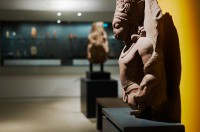
Widespread finds of stone artefacts suggest that humans have occupied the Indian subcontinent for at least a million years, first as hunter-gatherers and later as farmers. India’s first great urban civilization, contemporary with those of Mesopotamia and Egypt, flourished for several centuries around the Indus Valley region. This ancient civilization was first systematically explored by archaeologists in the 1920s. Its best known excavated sites are Mohenjo-daro and Harappa, extensive and well-planned cities built of brick. Many aspects of the Indus culture remain mysterious. Its written documents, often in the form of small stone seals, are few and brief. The Indus script still remains undeciphered today.
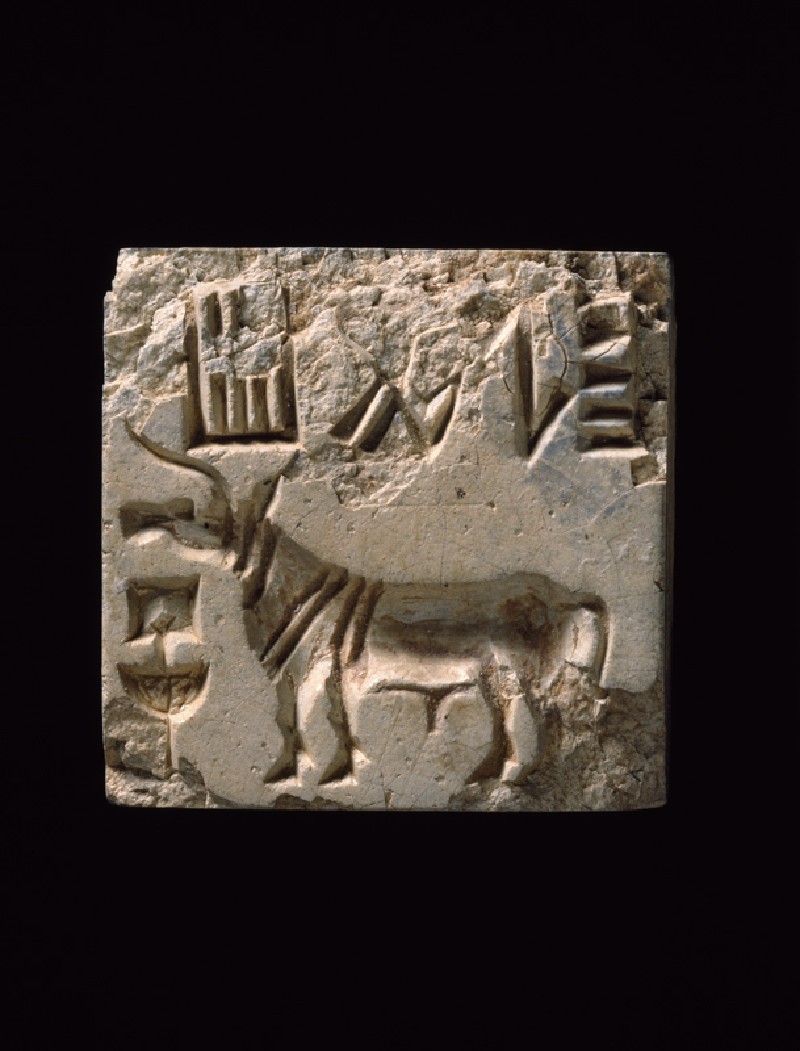 Square seal (EA2009.6)
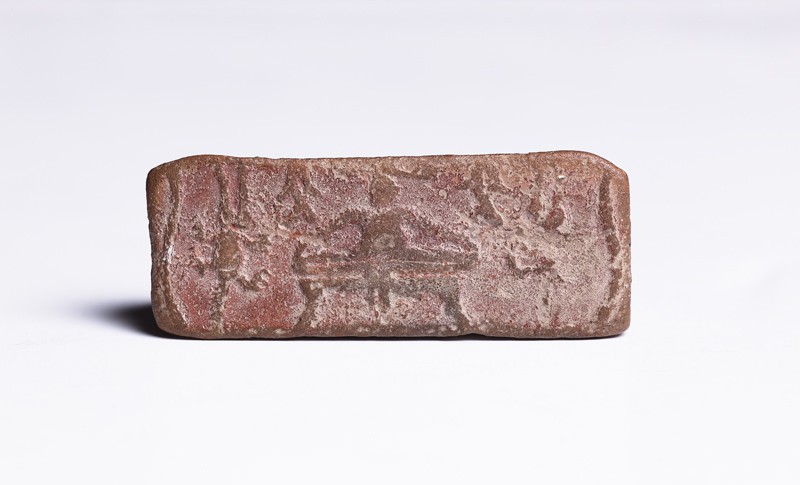 Triangular prism sealing (EAMd.13)
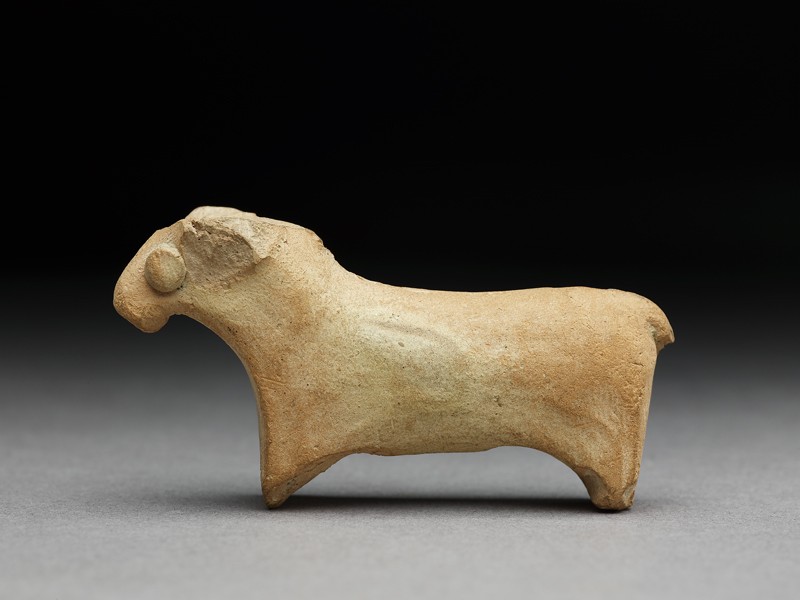 Terracotta figure of a bull or ox (EACh.4)
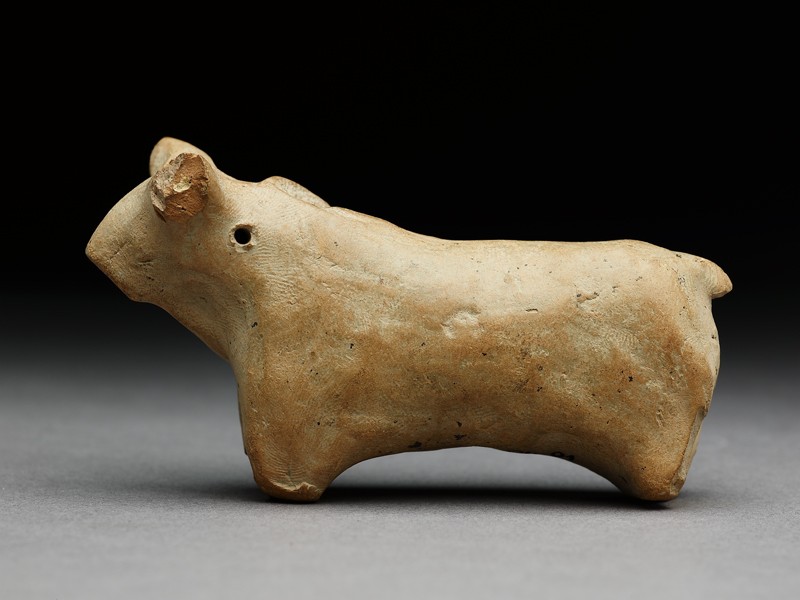 Terracotta figure of a bull or ox (EACh.1)
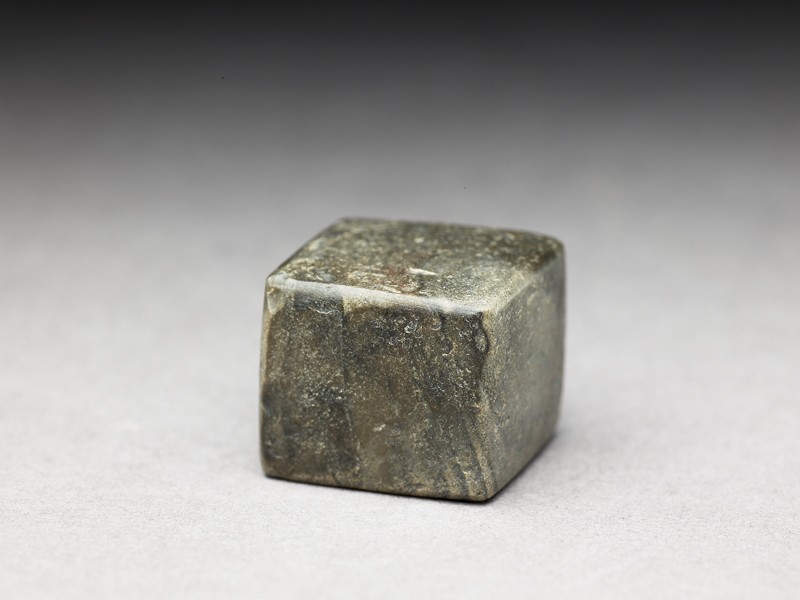 Cubical weight (EAMd.9)
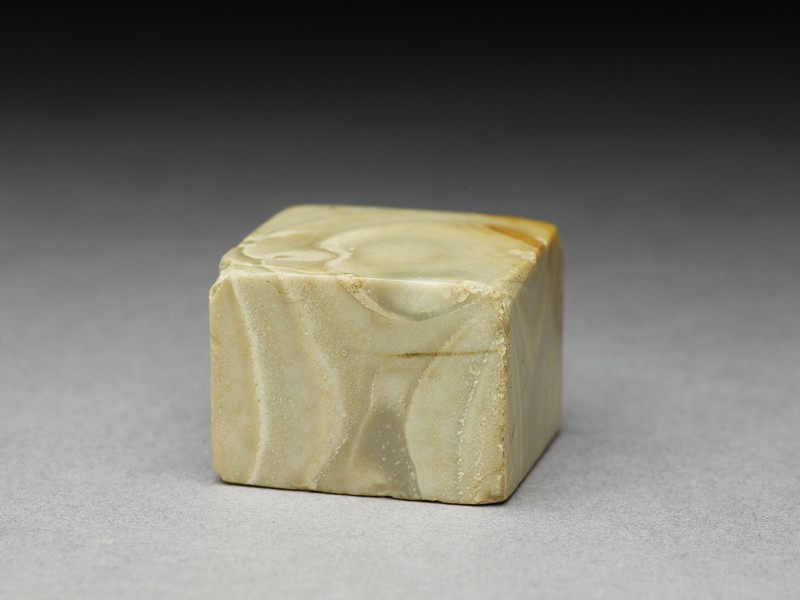 Cubical weight (EAMd.8)
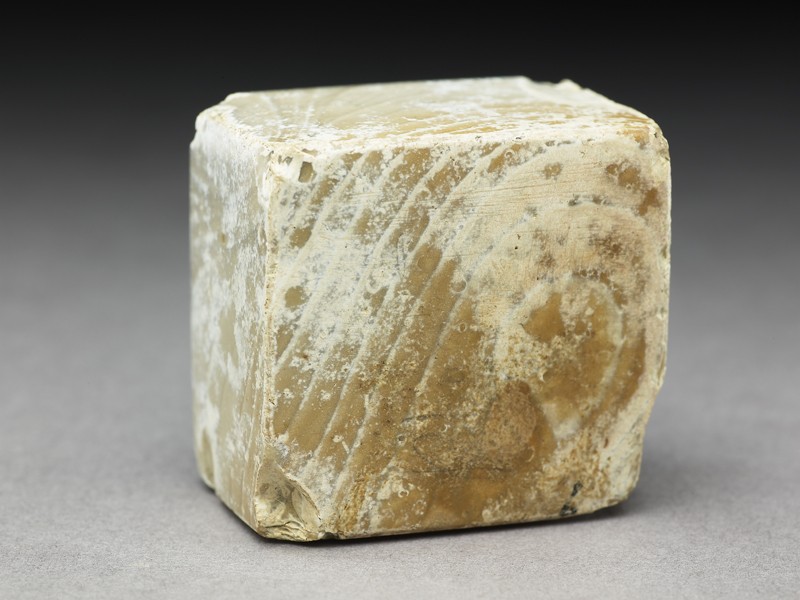 Cubical weight (EAMd.7)
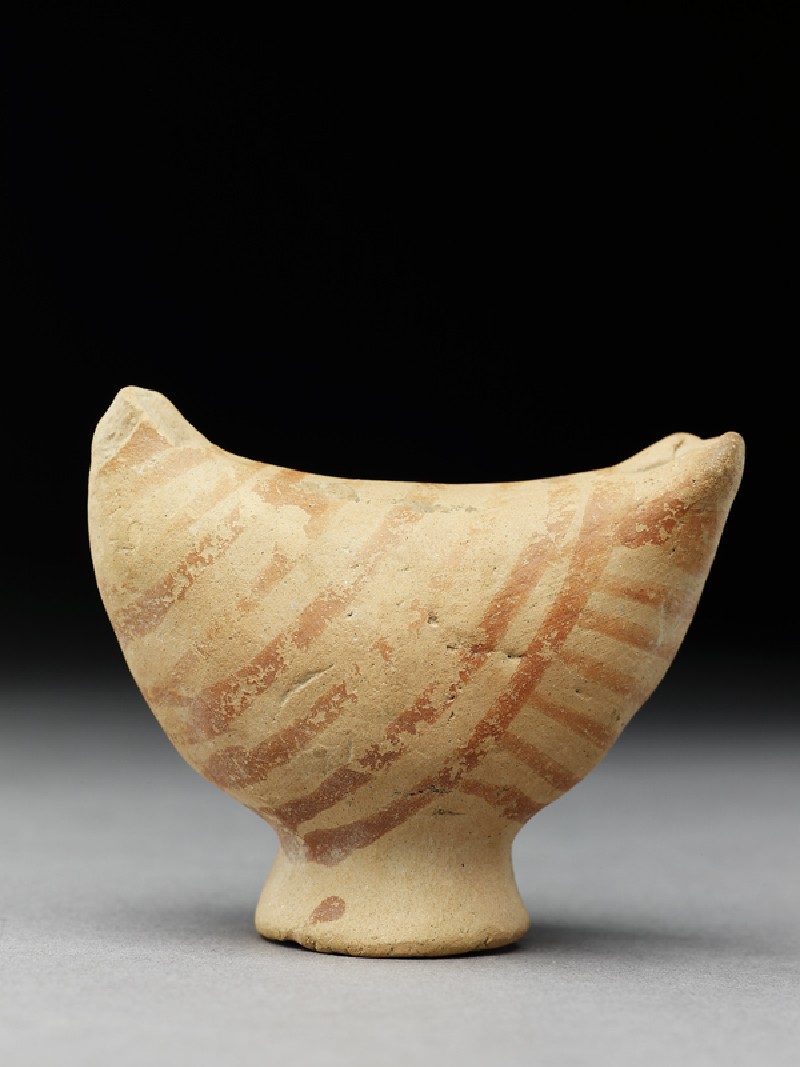 Terracotta bird whistle (EACh.7)
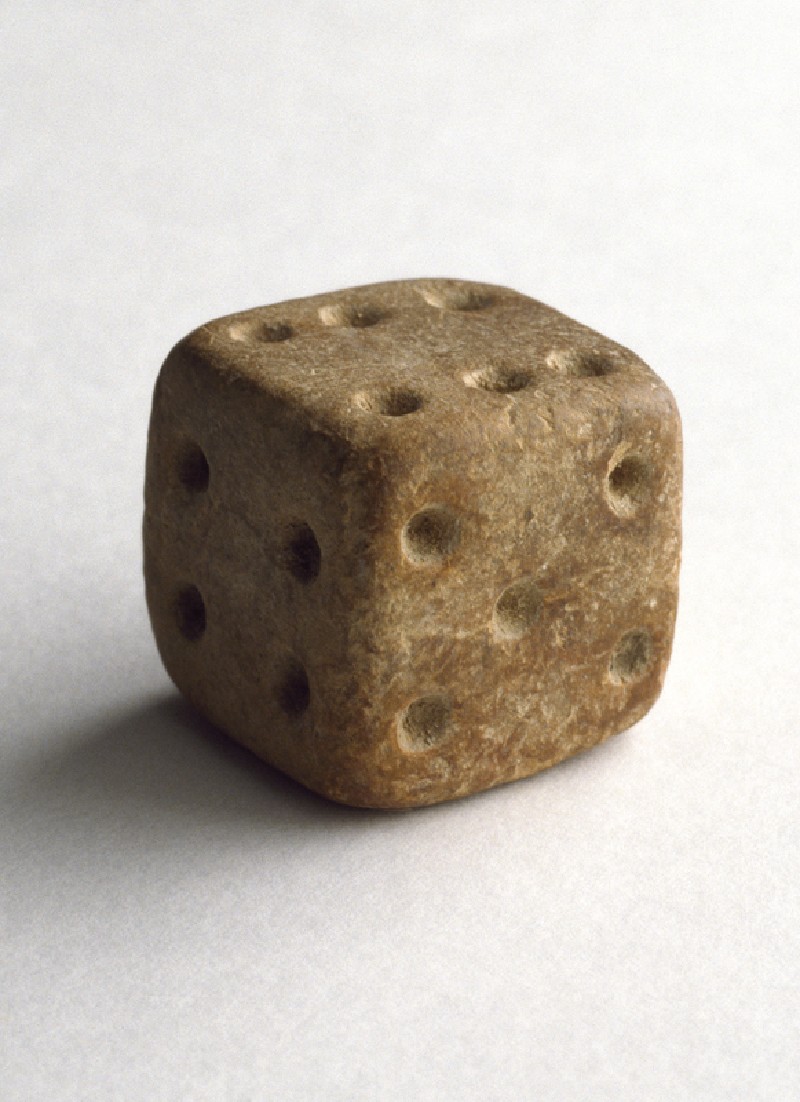 Terracotta dice (EAMd.25)
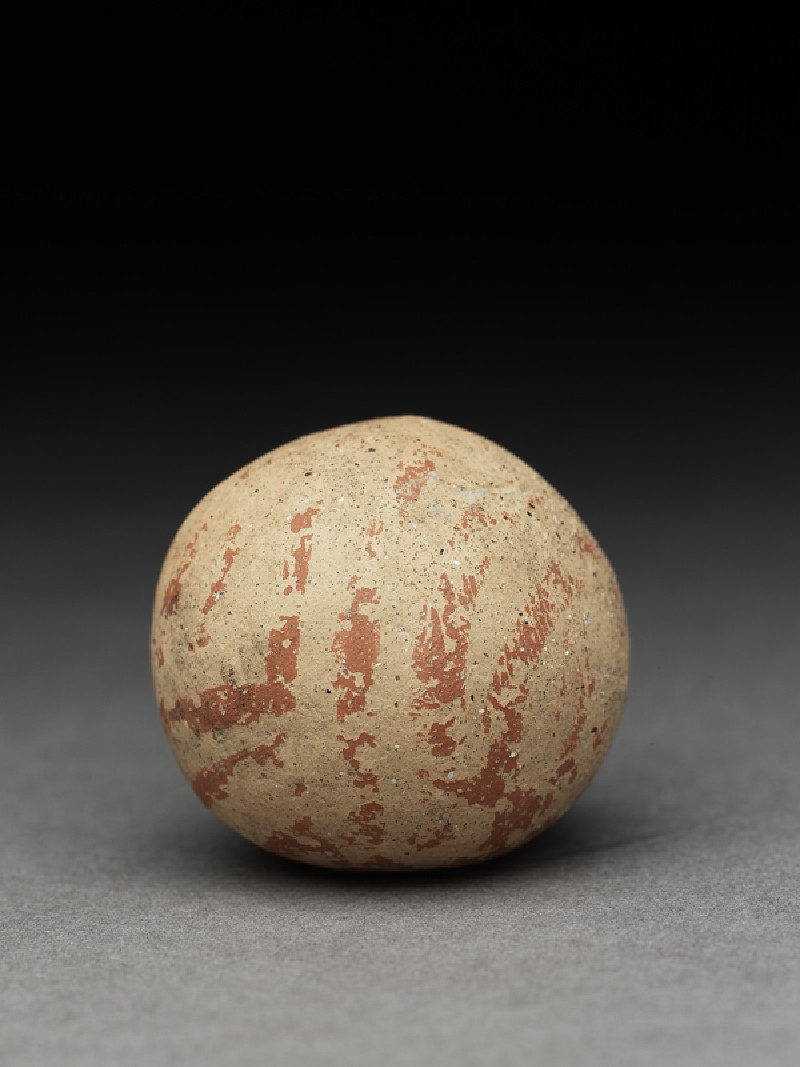 Terracotta ball (EACh.8)
 Small jar (EA1974.1)
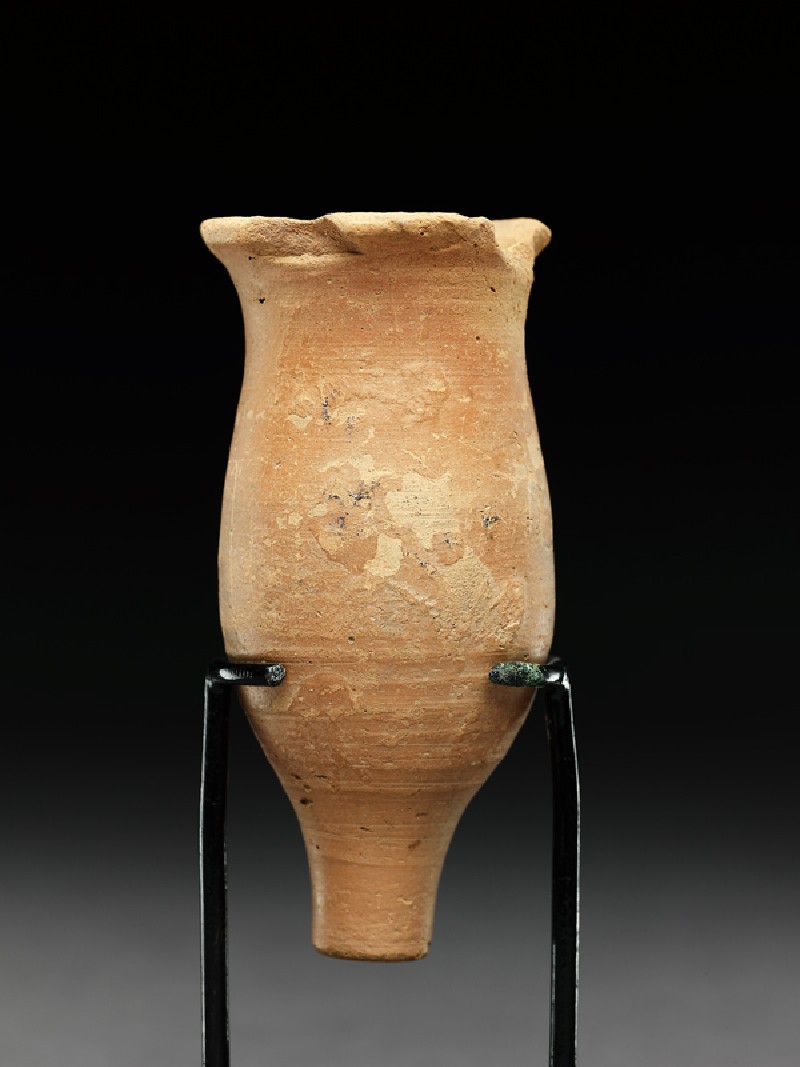 Small terracotta flask (EAX.7289)
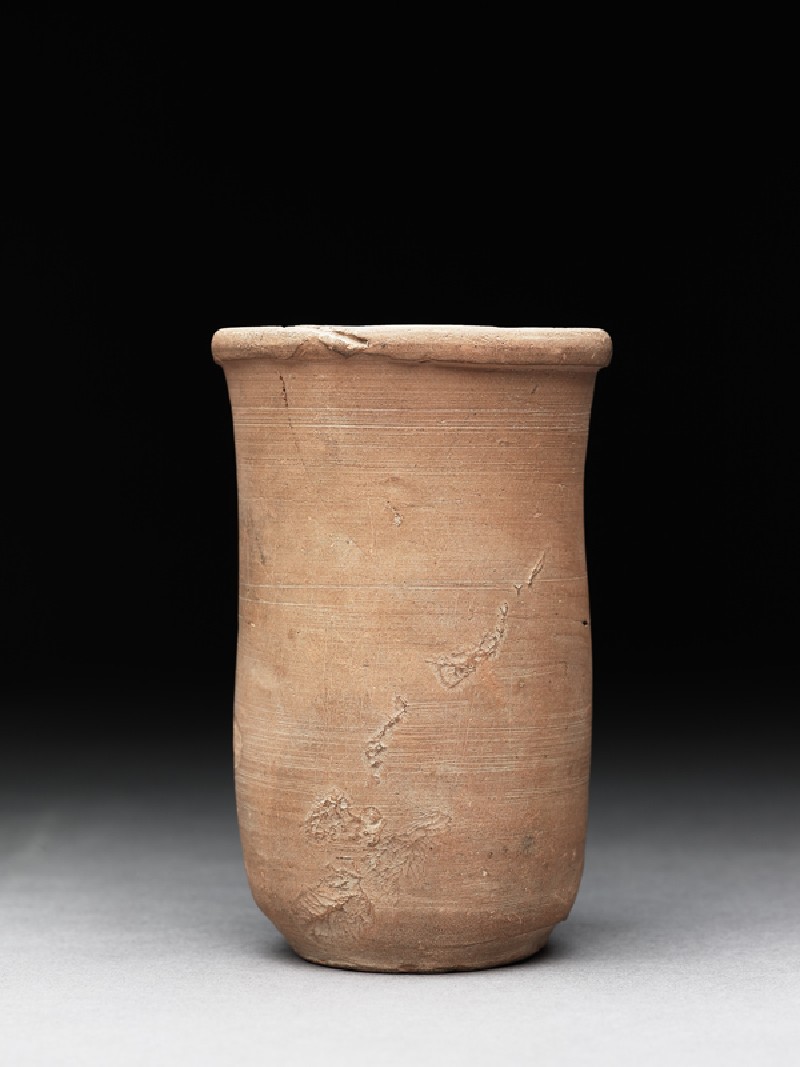 Small jar (EAX.7288)
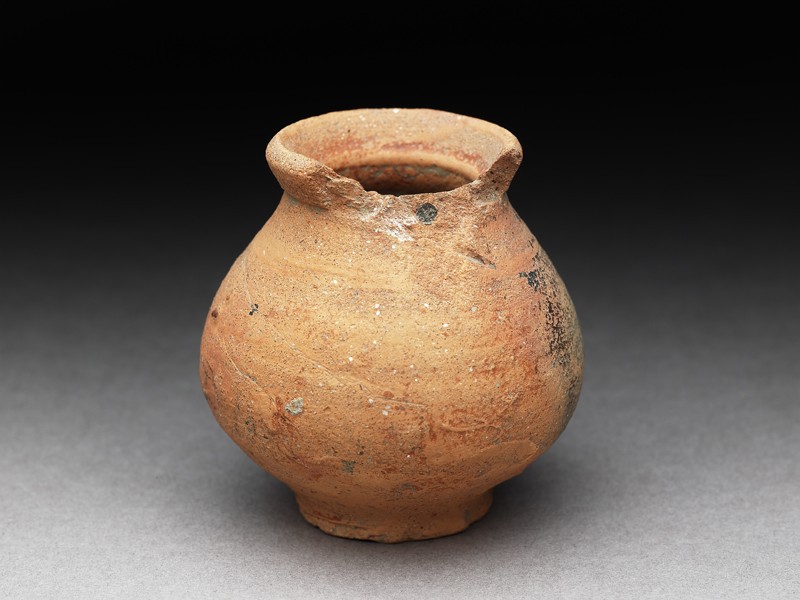 Small jar (EAX.7287)
Indian archaeological finds of later periods
 Painted bowl (EAX.237)
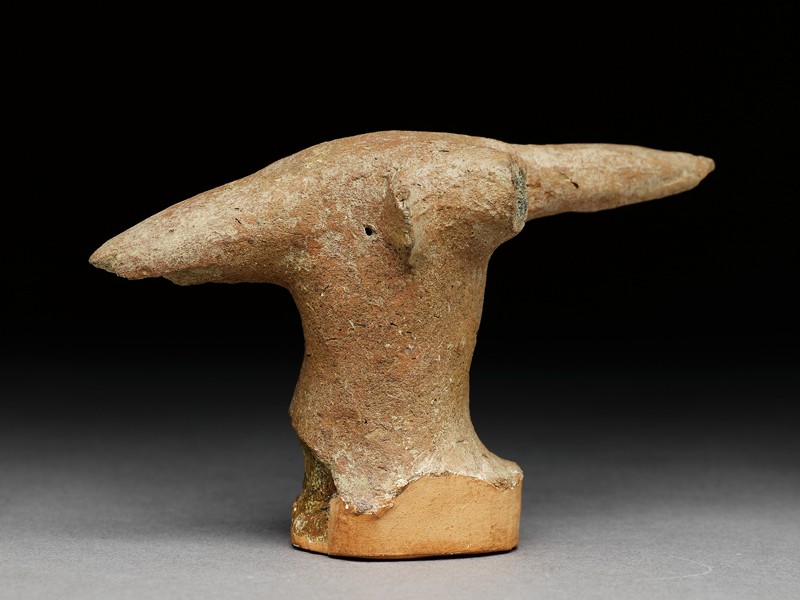 Terracotta head of an animal, possibly an antelope (EAX.235)
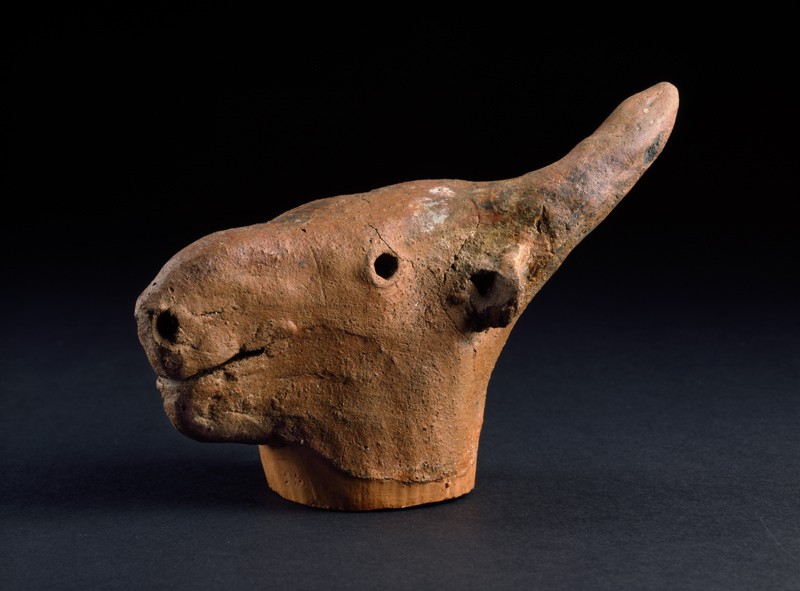 Terracotta head of an animal, possibly a bull (EAX.236)
 Copper harpoon from the Copper Hoard Culture (EA1986.13)
 Copper celt, or axe head, from the Copper Hoard Culture (EA1954.66)
Notice
Objects may have since been removed or replaced from a gallery. Click into an individual object record to confirm whether or not an object is currently on display. Our object location data is usually updated on a monthly basis, so contact the Jameel Study Centre if you are planning to visit the museum to see a particular Eastern Art object.
© 2013 University of Oxford - Ashmolean Museum